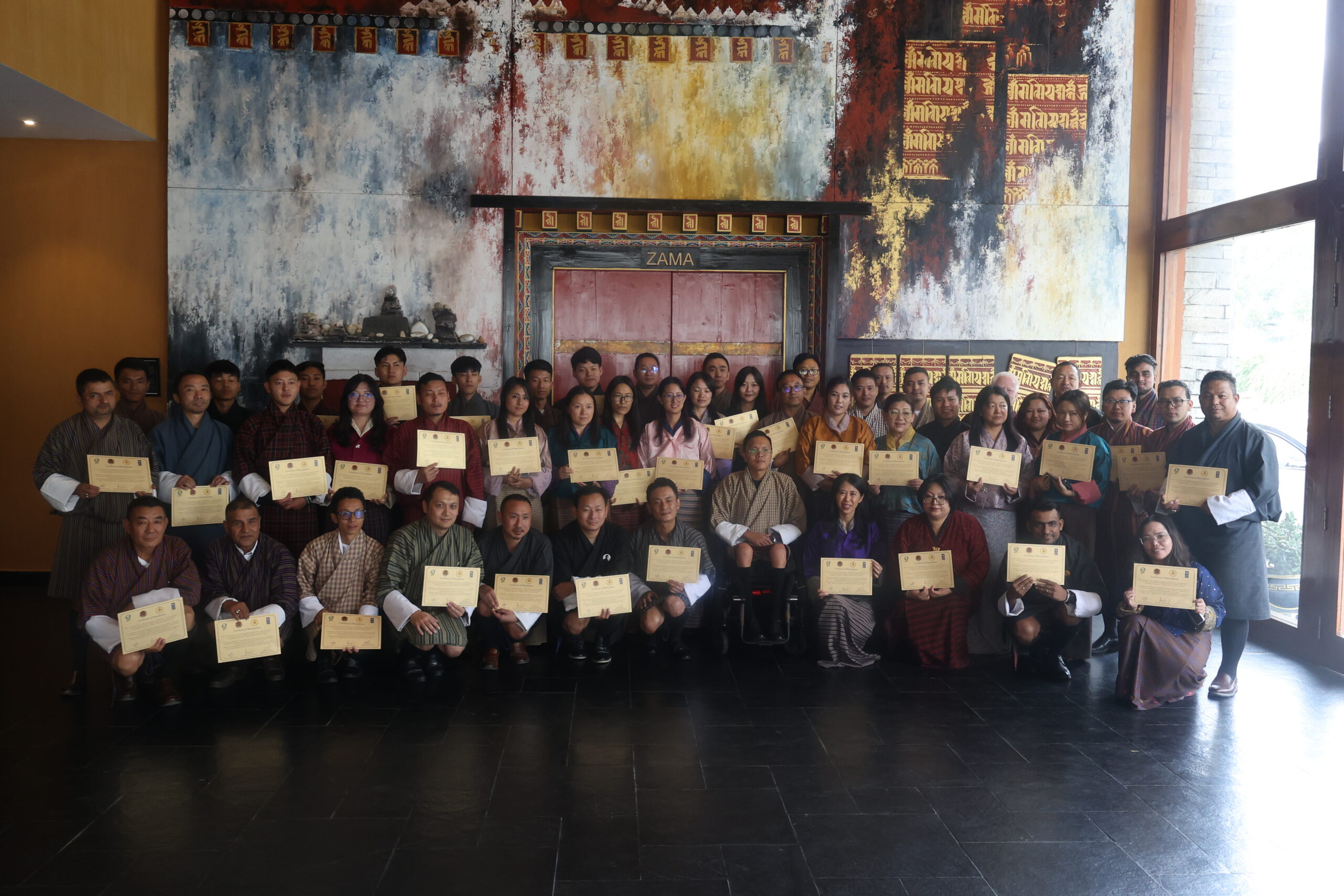
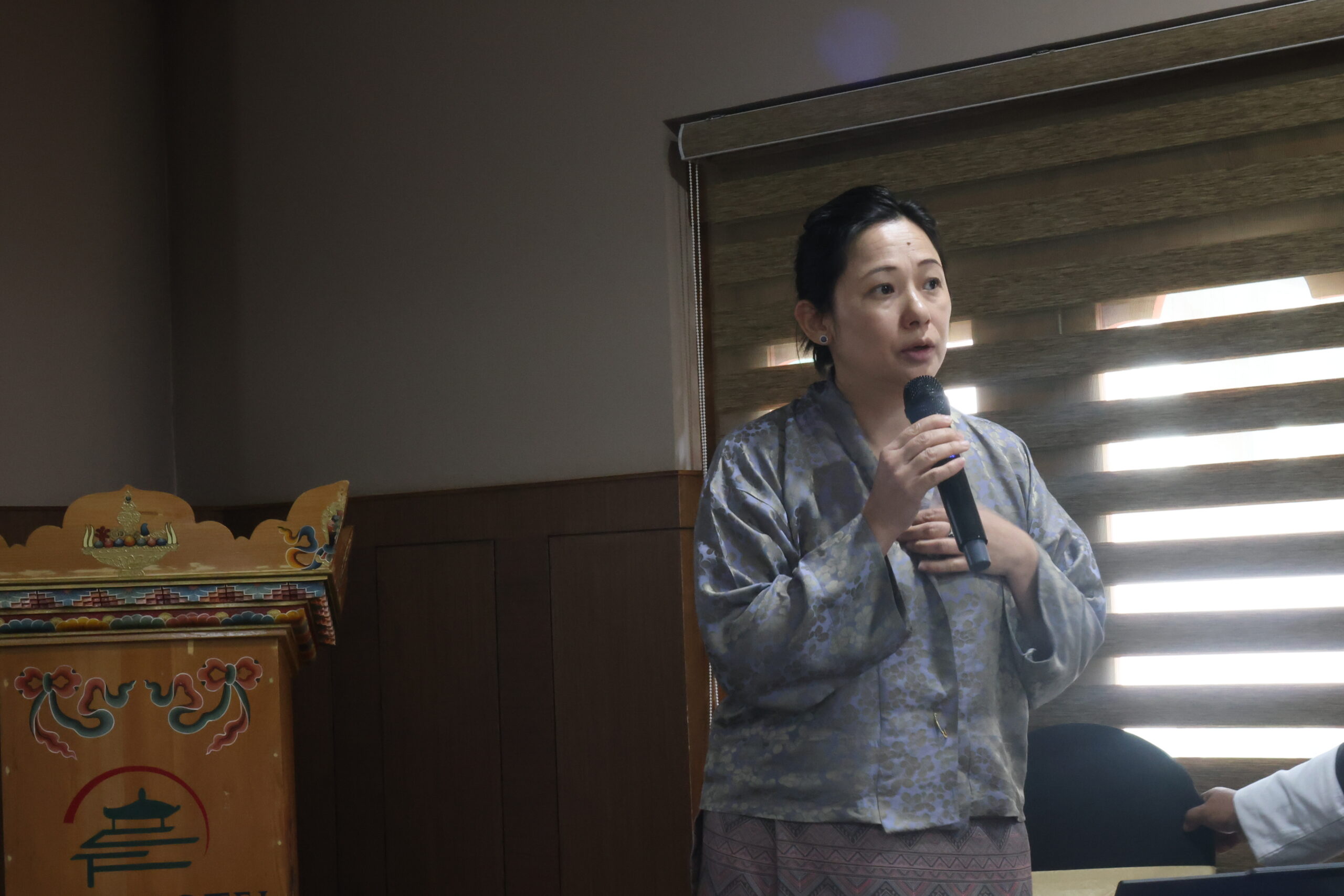
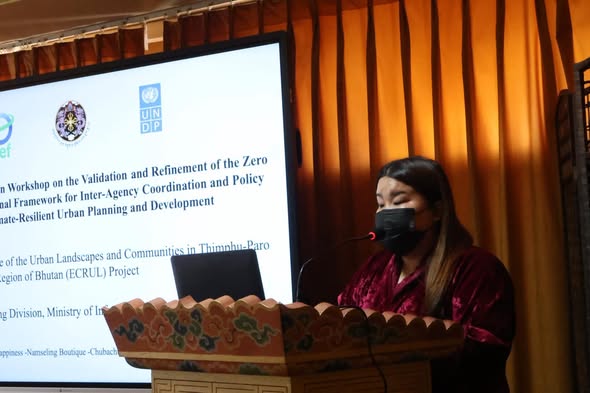
The Project Management Unit (PMU) of the Enhancing Climate Resilience of the Urban Landscapes and Communities in Thimphu–Paro Region (ECRUL) Project successfully conducted a Social and Environmental Safeguards (SES) Training on 29 July 2026, followed by a two-day Disability Equality Training (DET) and Accessibility Auditing from 30–31 July 2026 in Thimphu.
The SES training engaged more than 30 representatives from Responsible Parties and contractors, while the subsequent DET and Accessibility Auditing training brought together more than 60 participants, including urban planners, architects, engineers, contractors, consultants, and other technical professionals.
Organized by the PMU in collaboration with the Disabled People’s Organisation of Bhutan (DPO Bhutan) and UNDP Bhutan, the training aimed to strengthen the capacity of implementing partners and technical professionals to integrate disability inclusion, accessibility, and universal design principles into housing and infrastructure planning, design, construction, and development.
A key component of the training was a practical accessibility audit of ongoing project sites and public parks. Participants assessed accessibility features, identified barriers, and presented their findings and recommendations. These findings will be shared with relevant agencies to support improvements in ongoing and future infrastructure development.
As highlighted by Ashimta Rai, Civil Engineer, Paro Dzongkhag Administration:
“The training strengthened our understanding of disability from a human rights and social inclusion perspective. We should make all designs inclusive from the beginning, as one day we are all also going to become disabled.”
The training reinforced an important message: accessibility should be considered from the beginning—not added as an afterthought. Inclusive design helps create safer, more equitable, accessible, and resilient urban spaces that work for everyone.